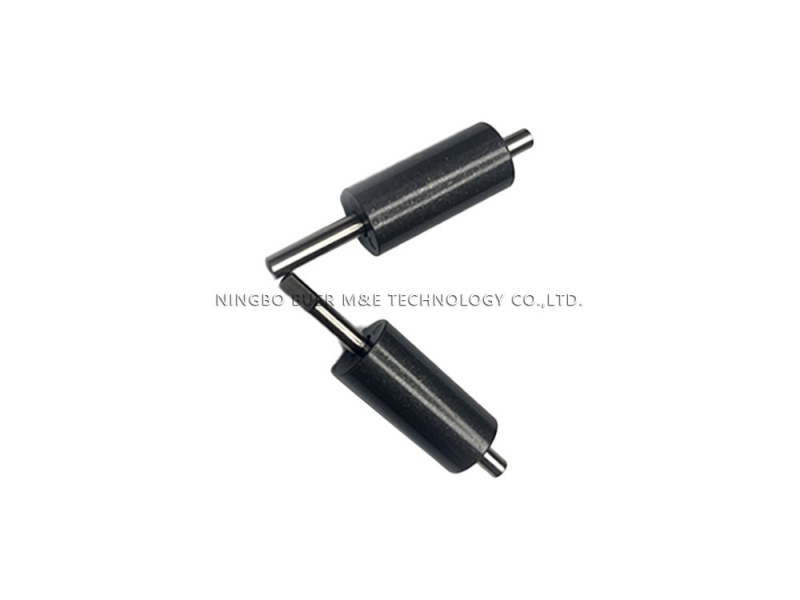
Polymer-bonded magnet rotors represent an innovative type of rotor material that offers several advantages over traditional rotor materials. The following analysis compares key aspects such as weight, processability, magnetic properties, cost, and corrosion resistance.
1. Weight
Polymer-bonded magnet rotors are significantly lighter than those made from conventional materials. This is due to the inherently low density of polymer-bonded magnetic materials, which also ensures uniform density distribution. As a result, the manufactured rotors exhibit balanced weight distribution and reduced overall mass.
2. Processability
Polymer-bonded materials can be easily shaped using methods such as injection molding or extrusion. Compared to the manufacturing processes required for other rotor materials, these techniques are simpler and more efficient, enabling rapid large-scale production and reduced manufacturing costs.
3. Magnetic Performance
Polymer-bonded magnetic materials offer excellent magnetic properties, including high magnetic permeability and uniform magnetic field distribution. These characteristics enhance magnetic efficiency and contribute to stable and reliable rotor performance.
4. Cost
Thanks to the straightforward manufacturing process and the relatively low cost of raw materials, polymer-bonded magnet rotors can be produced more economically than rotors made from other materials. This cost advantage helps lower overall production expenses and improves product competitiveness.
5. Corrosion Resistance
Ferrite-based polymer-bonded materials exhibit strong corrosion resistance and are less susceptible to chemical erosion from acids, alkalis, and other corrosive substances. This property helps extend the rotor’s service life and reduces equipment maintenance costs.
In summary, polymer-bonded magnet rotors demonstrate clear advantages in weight, processability, magnetic performance, cost-effectiveness, and corrosion resistance. They present a promising alternative to traditional rotor materials, contributing to enhanced product performance and lower production costs. It is hoped that polymer-bonded magnet rotors will see broader adoption across various industries, driving further advancements in technology and manufacturing.


 浙公网安备 33028102001233号