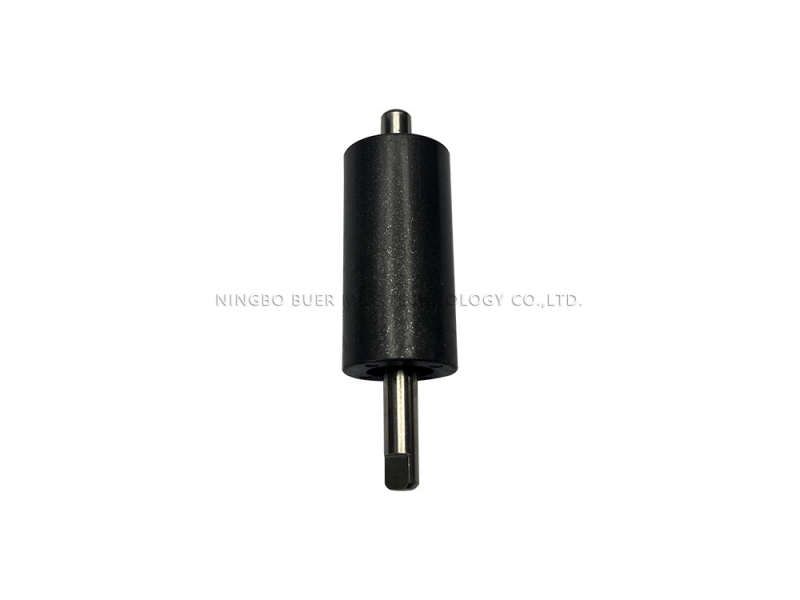
Polymer-bonded magnet rotors, manufactured from polymer composite materials, offer characteristics such as lightweight construction, high strength, and wear resistance, making them an increasingly popular choice in the motor manufacturing industry. The application of polymer-bonded magnet rotors in motor production is primarily reflected in the following aspects:
1. Lightweight Design
Polymer-bonded magnet rotors are significantly lighter than traditional metal rotors, making them particularly suitable for motors where weight reduction is a priority. In line with the current trend toward high efficiency and energy savings, lightweight design has become a key focus in motor manufacturing. The reduced weight of these rotors contributes to a lower overall motor weight, higher power density, and a more compact motor size for the same power output—ideal for applications with spatial constraints.
2. High Strength and Wear Resistance
The material used in polymer-bonded magnet rotors exhibits high mechanical strength and wear resistance, enabling stable and durable performance even under high-speed rotation. As the rotor is a critical component subjected to significant forces and torque during motor operation, sufficient strength and wear resistance are essential. The use of polymer-bonded rotors can enhance motor longevity and reliability.
3. Energy Efficiency and Environmental Benefits
The manufacturing process of polymer-bonded magnets generates minimal pollution, and the materials themselves are recyclable, aligning with modern demands for energy efficiency and environmental sustainability. Motors, as significant consumers of energy, impact the environment both during production and use. Adopting polymer-bonded rotors can help reduce this environmental footprint and support the green transformation of the motor manufacturing industry.
4. Cost Advantages
Compared to traditional metal rotors, polymer-bonded magnet rotors offer lower manufacturing costs, contributing to overall cost reduction in motor production. High-performance metal materials are often expensive, increasing manufacturing expenses. In contrast, polymer-bonded rotors utilize cost-effective composite materials that are easier to process, helping to lower costs and improve the market competitiveness of motors.
In summary, polymer-bonded magnet rotors hold significant potential in motor manufacturing, meeting modern requirements for lightweight design, high strength, and wear resistance. They also support the industry’s shift toward greater efficiency, sustainability, and energy savings. As material science and processing technologies continue to advance, polymer-bonded magnet rotors are expected to play an even more prominent role in motor manufacturing, bringing new momentum to the industry’s development.


 浙公网安备 33028102001233号